Why a fish knife is essential for seafood lovers
Wiki Article
Discover the Important Functions to Seek in a Top-Quality Fish Knife
When selecting a fish knife, several key features demand attention. The blade material significantly affects durability and intensity, while adaptability plays an essential duty in accuracy. Furthermore, the handle layout impacts convenience throughout extended usage. Edge retention and safety features are also essential for sensible usage. Understanding these aspects will assist customers toward making an enlightened choice, yet the subtleties of their value might not be quickly clear.Blade Material and Building
The efficiency of a fish knife mainly depends upon its blade product and building - fish knife. High-quality fish blades usually include blades made from stainless steel, high-carbon steel, or a mix of both. Stainless-steel is preferred for its rust resistance and low upkeep, making it excellent for freshwater and deep sea atmospheres. High-carbon steel, while vulnerable to rusting, provides superior sharpness and edge retention, interesting those that prioritize cutting performanceThe construction of the blade additionally plays a critical function in its performance. Full-tang blades, which extend the whole size of the handle, give boosted strength and equilibrium. In comparison, partial-tang blades may compromise durability. In addition, the density of the blade ought to be taken into consideration, as thinner blades permit a lot more accurate cuts, necessary for delicate fish filleting. Eventually, a sound blade, making use of the best products, is essential for achieving the finest results when preparing fish.
Blade Adaptability and Size
Blade versatility and size are vital aspects that greatly affect the efficiency of a fish knife. An adaptable blade enables accurate cuts and the capability to navigate around bones and skin, making it vital for filleting fish successfully. The correct amount of versatility can boost control, making it possible for the individual to accomplish tidy, smooth cuts with marginal initiative.In terms of length, fish blades typically range from 6 to 9 inches. A longer blade is beneficial for bigger fish, supplying the reach required for efficient filleting. Alternatively, a much shorter blade uses maneuverability, making it ideal for smaller sized fish or detailed tasks.
Eventually, the option of flexibility and size need to straighten with the particular angling requirements and choices of the customer. A well-balanced mix of these characteristics makes sure optimal performance, boosting the general fish prep work experience.
Take Care Of Style and Comfort
When utilizing a fish knife, a properly designed manage is vital for ensuring convenience and control. The handle need to fit firmly in the hand, permitting for a company grip during intricate jobs such as filleting or skinning fish. Materials like rubber, timber, or composite provide various degrees of comfort and traction, influencing the user's experience.Ergonomic functions are additionally vital; contours that comply with the all-natural shape of the hand can reduce exhaustion during long term usage. Furthermore, the deal with's structure plays a considerable duty in avoiding slippage, particularly when working with wet hands.
Weight circulation is an additional element that adds to the general equilibrium of the knife, improving maneuverability. A comfy manage layout not only boosts efficiency but also promotes safety, as a safe grasp lessens the threat of mishaps (fish knife). Inevitably, a thoughtful deal with style can significantly elevate the effectiveness of a fish knife in culinary applications
Side Retention and Honing
While utilizing a fish knife, maintaining a sharp edge is vital for achieving tidy cuts and accurate filleting. A quality fish knife ought to exhibit superb side retention, enabling it to stay sharp through several usages. This characteristic is often established by the kind of steel utilized in the blade; high-carbon stainless steel is regularly preferred because of its balance of firmness and rust resistance.
Safety And Security Features and Sheath Options
When picking a fish knife, many safety and security functions and sheath alternatives are vital factors to consider. A safe and ergonomic deal with minimizes the danger of slips during use, boosting customer security. Textured holds and finger guards even more avoid crashes, enabling far better control while filleting fish.Additionally, a blunt idea can minimize the threat of leak injuries, making it a safer selection for novice individuals.
Sheath choices additionally play a critical role in safety and security. A properly designed sheath shields the blade, avoiding unintended cuts when the knife is saved or moved. Sheaths made from resilient materials, such as nylon or hard plastic, offer added security versus environmental aspects.
Some sheaths feature belt clips or loopholes, making sure the knife is easily obtainable while staying secure. Eventually, prioritizing security functions and sheath choices contributes considerably to the total functionality and customer experience of a fish knife.
Often Asked Questions
What Is the very best Brand Name for Fish Blades?
The finest brand name for fish blades frequently varies by preference, yet renowned names like Wüsthof, Victorinox, and Avoid are regularly recommended for their sharpness, longevity, and workmanship, making them top options amongst culinary fanatics and experts alike.Can Fish Knives Be Made Use Of for Other Types of Fish?
Fish blades can indeed be made use of for various other types of fish. Their style and intensity make them versatile sufficient for numerous fish varieties, improving the overall experience of filleting and preparing various kinds of fish and shellfish.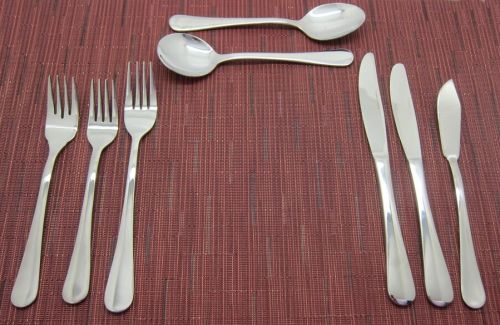
Exactly how Do I Clean and Keep My Fish Knife?
To keep a fish and cleanse knife, rinse it with cozy water after usage, delicately scrub with mild soap, dry completely, and shop in a protective sheath to avoid damages and corrosion. Normal developing is essential.Exist Fish Blades Especially for Left-Handed Users?
Yes, there are fish blades made particularly for left-handed users. These blades include reversed blade angles and ergonomic deals with, making sure convenience and performance for left-handed individuals while filleting and preparing fish. Quality alternatives are available from various manufacturers.What Is the Rate Variety for Top Quality Fish Blades?
Quality fish blades typically vary from $20 to check here $150, depending upon materials, brand name online reputation, and workmanship. Higher-end alternatives may feature customized layouts and exceptional comfort designs, while affordable options still use satisfying efficiency for informal users.The performance of a fish knife mostly copyrights on its blade product and building. Top quality fish blades generally feature blades made from stainless steel, high-carbon steel, or a mix of both. Blade versatility and size are vital aspects that greatly affect the efficiency of a fish knife. Fish blades can without a doubt be utilized for other kinds of fish. These knives feature reversed blade angles and ergonomic deals with, making sure comfort and effectiveness for left-handed individuals while filleting and preparing fish.
Report this wiki page